
How Often Should You Schedule Landscape Maintenance in Seattle?
Weekly, every 2 weeks, every 4 weeks or quarterly. What each rhythm actually buys you on a Puget Sound property, and how to pick without overpaying.
By Trevor Kokenge
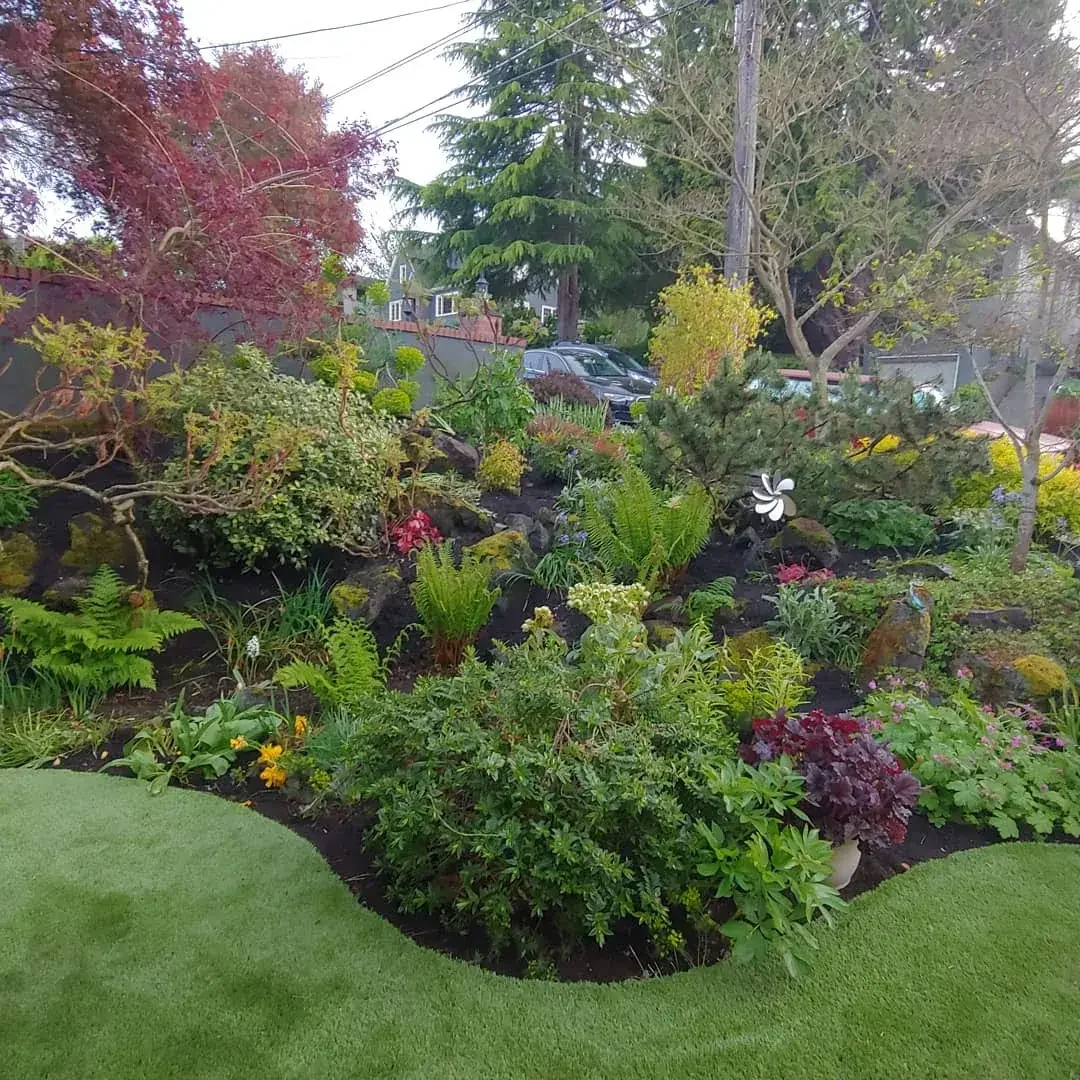
The honest answer is that it depends on the property, and anyone who quotes you a frequency before walking the site is guessing. That said, the decision is not mysterious. It comes down to how fast the property grows, how quickly you notice when it looks untended, and what you want the visit spending time on.
What each rhythm buys
Weekly. Through April to June in Puget Sound, grass can put on real height in seven days. Weekly visits are what keep a property looking genuinely sharp during the growing season, and they are worth it on high-visibility properties: a business frontage, a building entrance, a house on the market. Outside peak growth, weekly is usually more visits than the property needs.
Every 2 weeks. This is what most of our clients run, and it holds well across the year. Two weeks is short enough that no single visit turns into a rescue operation, which keeps the cost per visit predictable. It is the default for a reason.
Every 4 weeks. Workable on a property with little or no grass, where the time goes on beds, pruning and surfaces. We do not mow on a four-week plan. A month of Puget Sound growth is past the point where a cut is maintenance, and taking that much off at once thins the lawn rather than keeping it. If there is a lawn on the property, this is not the plan for it.
Quarterly. This is not really maintenance. It is four cleanups a year on a schedule. That is a legitimate choice for a low-planting property or a rental between tenants, and again it assumes there is no lawn waiting to be cut. Expect the yard to spend most of the year looking like it is between visits.
The thing that actually drives cost
Frequency and cost do not move together the way people expect. Going from every 2 weeks to every 4 weeks does not halve the bill, because each visit takes longer. Growth that has run for a month needs more cutting, more cleanup, more hauling. The saving is real but it is smaller than the arithmetic suggests.
What moves cost more is bed area. Lawn is fast and predictable. Beds are where the time goes: weeding, edging, trimming, and keeping ahead of plants that want to be somewhere else.
Seasonal shifting
Frequency does not have to be fixed for twelve months. The pattern that works best on most properties is heavier through spring growth, steady through summer, heavier again through the autumn leaf drop, and lighter through winter dormancy when visits shift to storm debris, gutters and roof moss.
Our plans move with that. If you are paying for weekly visits in January, something is wrong.
How to decide
Start by asking how long the property can go before it bothers you. If the answer is ten days, you want weekly through the growing season. If it is three weeks, every 2 weeks will keep you comfortable year-round. Those are the two rhythms that work with a lawn. Below them you are choosing a plan for a property that is beds, planting and hard surfaces rather than grass.
Then walk the property with someone who will tell you honestly which parts drive the time. That conversation is usually worth the frequency decision several times over.
More from the journal
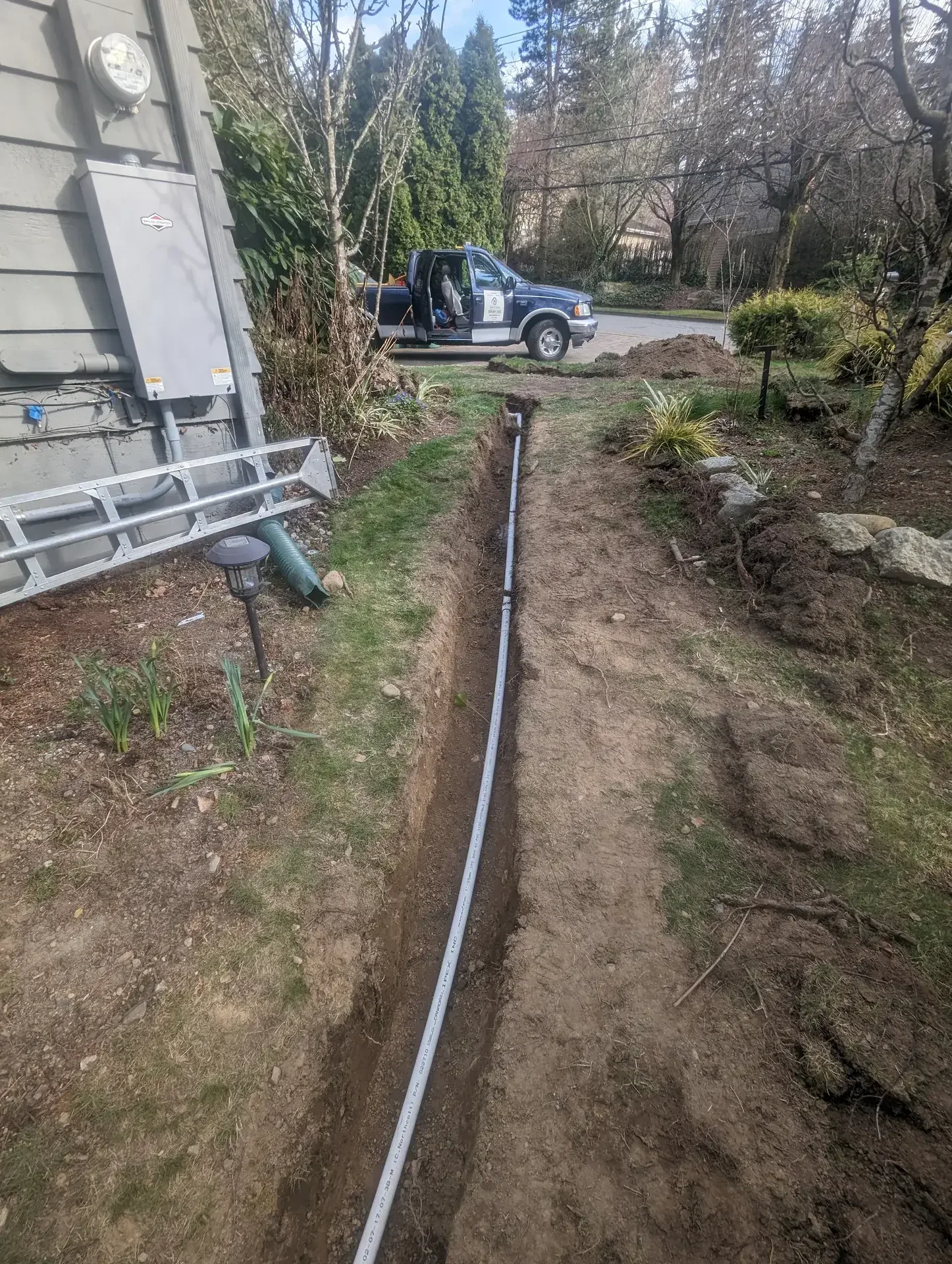
Spring Sprinkler Startup, and What Winter Usually Broke
How to bring irrigation back online after a Puget Sound winter without flooding a bed, plus the four failures we find most often on the first run of the year.
Read the article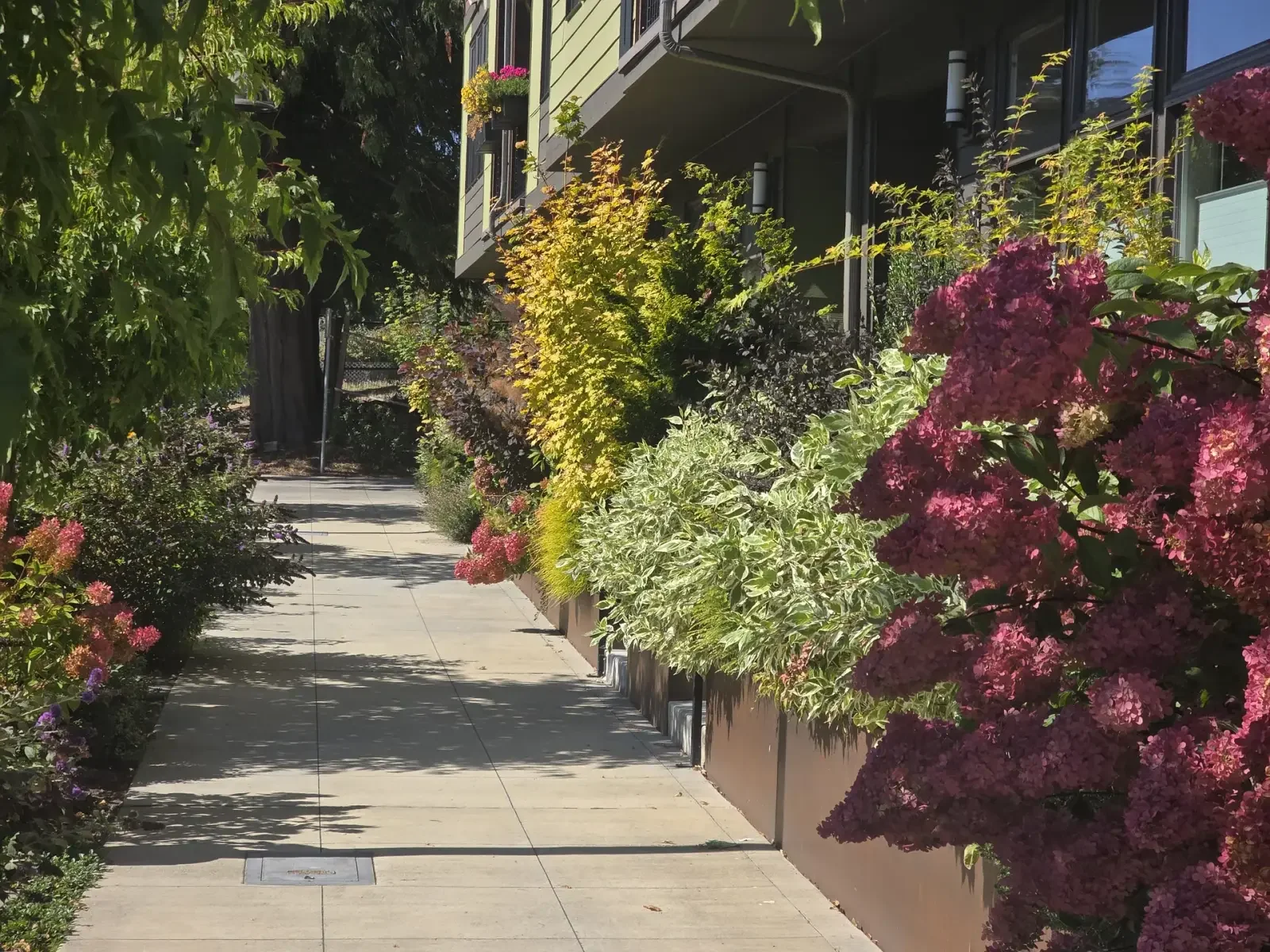
When to Prune Hydrangeas in the Puget Sound
Timing depends entirely on whether the plant sets buds on old or new wood. Get that wrong and you cut off a year of flowers.
Read the articleTell us about the property
We get back to you as soon as we can with next steps and a visit window. If the job is not a fit for us, we will say so.